Buying a diamond means understanding what you are paying for, because almost none of it is visible to an untrained eye. Two stones that look identical across a counter can differ enormously in price, and the reasons are entirely measurable.
The Gemological Institute of America notes that no two diamonds are alike. This guide covers the parameters that determine what a stone is worth.
The four Cs
Carat, color, clarity and cut. These four determine the basic character of any diamond, and they are where every valuation starts.
Carat
Carat is the unit by which a diamond is weighed, and one carat is divided into 100 points. The more carats a stone weighs, the more it costs.
Worth knowing: price does not rise in a straight line with weight. Larger rough stones are considerably rarer, so cost climbs faster than size does.
Color
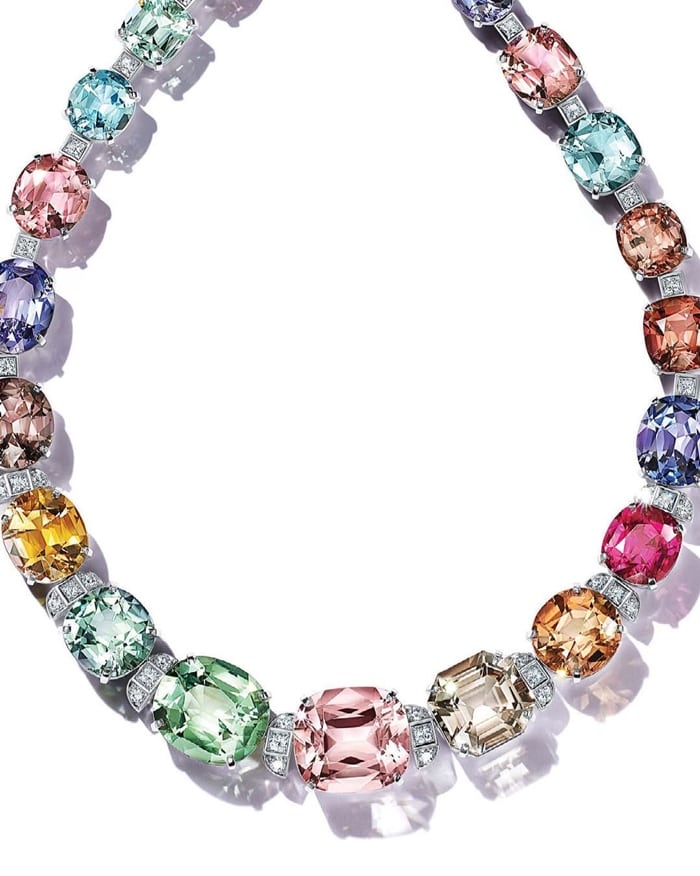
The belief that a perfect diamond must be colorless is long gone. Colored fancy diamonds have been sought after for a very long time, and diamonds occur in pink, red, green, yellow, brown, orange and lilac among others.
Most diamonds carry a tint of two different colors. One of the most common combinations within a single stone is orange with pink.
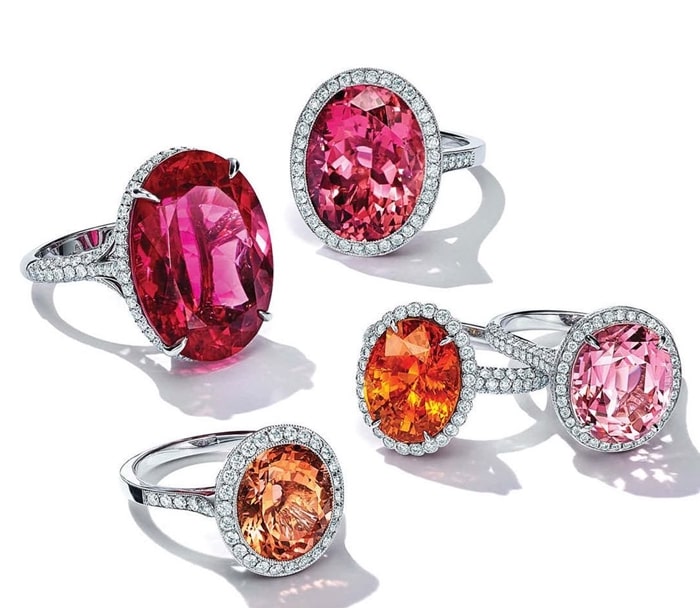
Colored diamonds are rare and expensive, and the price follows the rarity of the specific color:
- Brown. The most common, and correspondingly the least expensive of the colored stones.
- Yellow, pink and blue. Rare and expensive.
- Red and green. The rarest, the most sought after and the most expensive.
Natural diamonds with faint tints can be treated in a laboratory to enhance the color. If colored diamonds appeal but the price does not, a synthetic diamond in the color you want is a legitimate option.
Clarity
Almost all diamonds have imperfections. The fewer the imperfections, the more expensive the stone.
Grading is carried out under 10x magnification, and most of the imperfections it identifies are invisible to the naked eye. That is precisely why clarity grading matters: you cannot check it yourself, so you are relying on the grade to know what you are paying for.
Cut
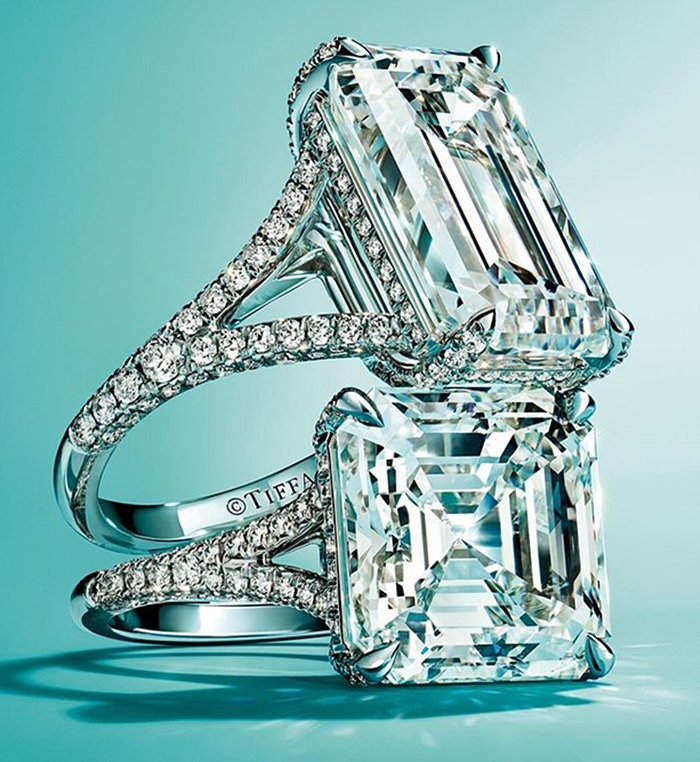
The cut determines the brilliance of the stone. A finer cut traps light and lets it interplay within the diamond, and that interplay is what produces the sparkle people are actually buying.
A well-cut diamond is more expensive, and it is the parameter that most directly affects how a stone looks. A larger diamond cut poorly can appear duller than a smaller one cut well.
Diamond shapes
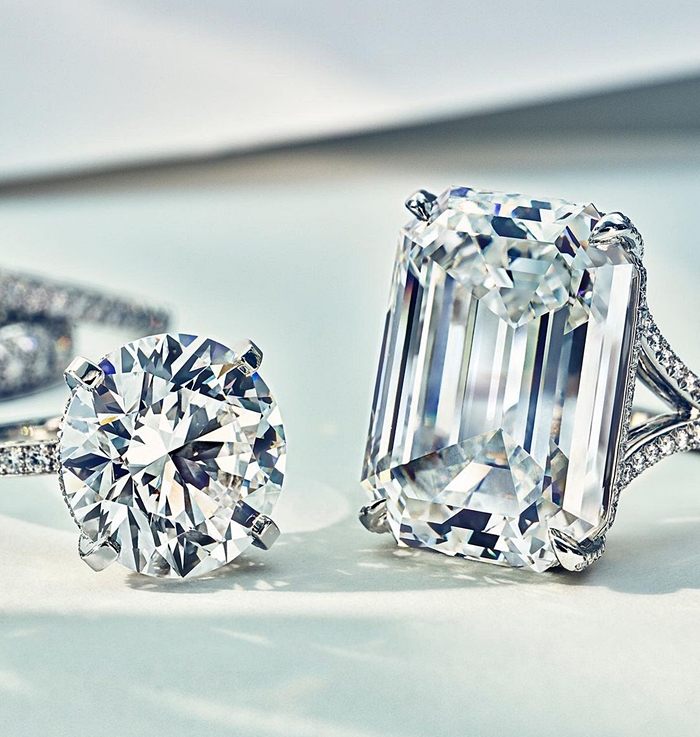
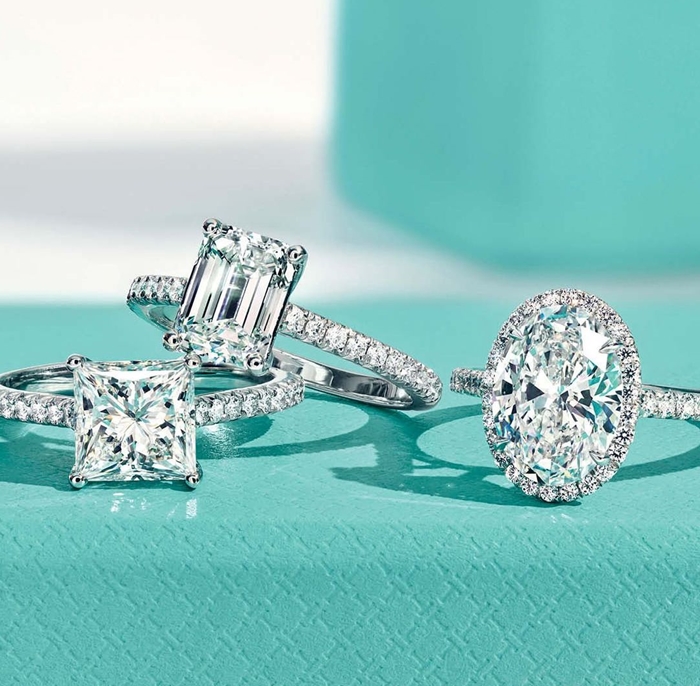
Shape is a separate matter from cut quality, and it is the one parameter you should choose on personal taste rather than on grading.
The brilliant round cut offers the maximum brilliance and is the shape engineered specifically for it. Beyond that the options include oval, marquise, pear, heart and princess cuts. Pink diamonds are most often available in princess cut.
Size
Size matters because it determines the weight, and weight determines a large part of the cost.
Fancy colored grades
Naturally colored fancy diamonds are graded on seven levels of color intensity. In ascending order:
| Grade | Intensity |
|---|---|
| 1 | Faint |
| 2 | Very light |
| 3 | Light |
| 4 | Fancy |
| 5 | Fancy intense |
| 6 | Fancy vivid |
| 7 | Fancy deep |
Fancy vivid and fancy deep top the demand list.
Budget
Budget is the parameter that decides all the others. Diamonds can cost an amount that seems astronomical, and it is easy to spend considerably more than intended.
Decide the figure before you look, and then decide which of the four Cs matters most to you within it. Prioritizing cut over carat usually produces a better-looking stone for the same money, because brilliance is what the eye actually registers.
Where you buy Diamonds matters
Always buy from a trusted, reputable and experienced dealer or jeweler.
This is not generic advice. Because clarity and color grading happen under magnification and in controlled lighting, you cannot verify what you are being told at the counter. The dealer’s reputation and the certification they provide are the only practical assurance you have.
Diamonds beyond rings
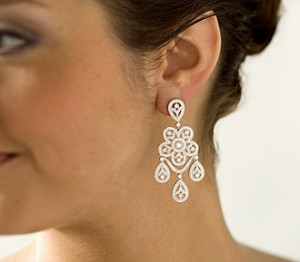
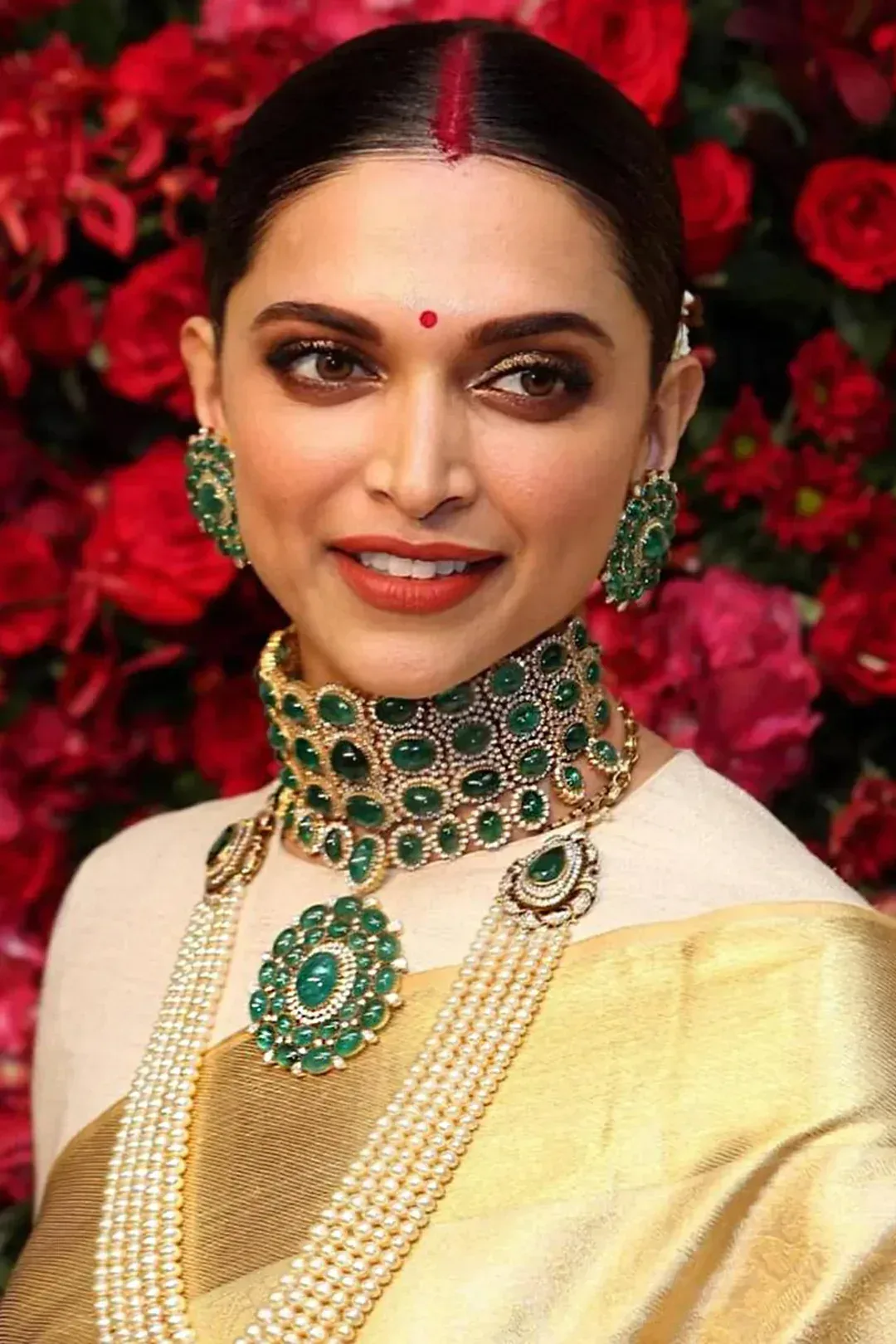
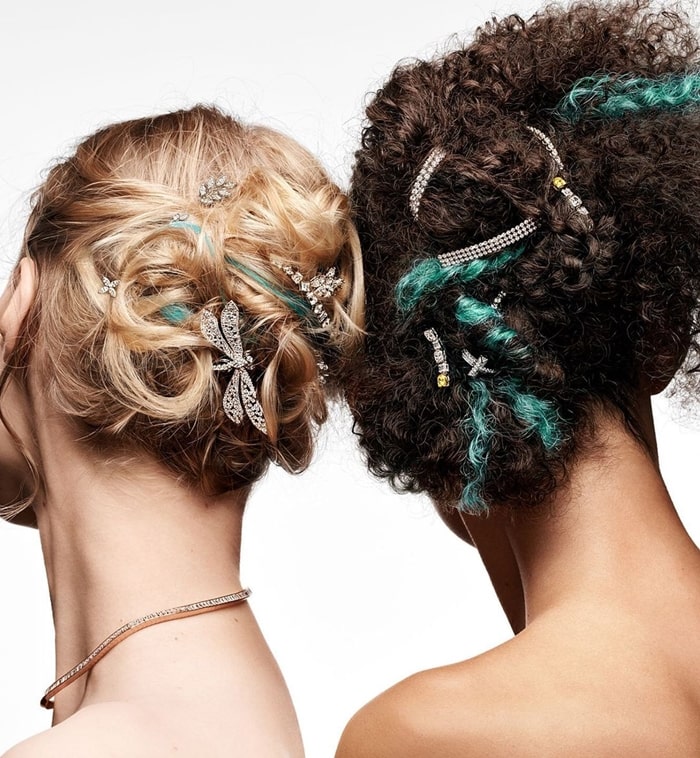
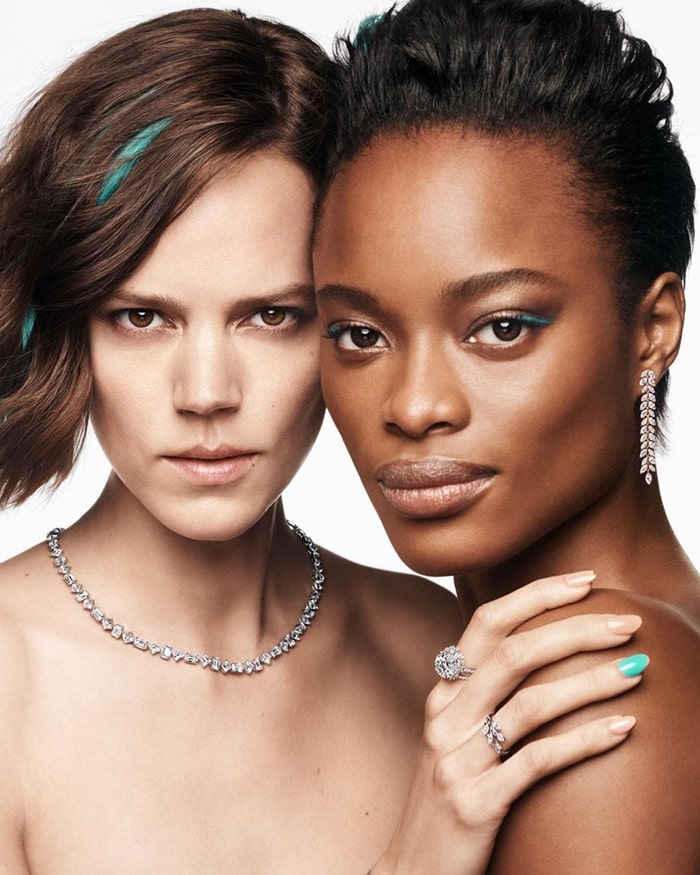
Diamonds appear across jewelry, not only in engagement rings. Hair accessories, necklaces and full jewelry sets all use them.
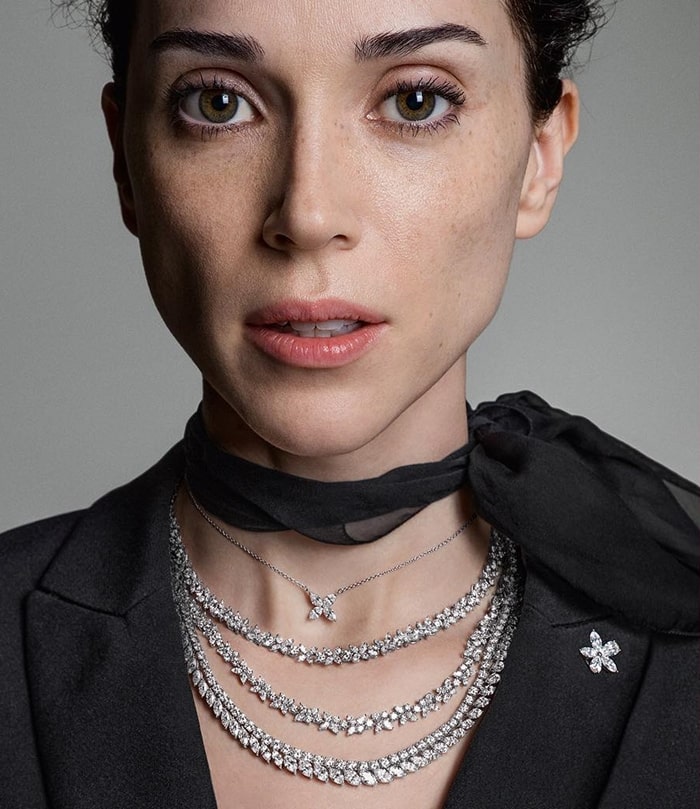
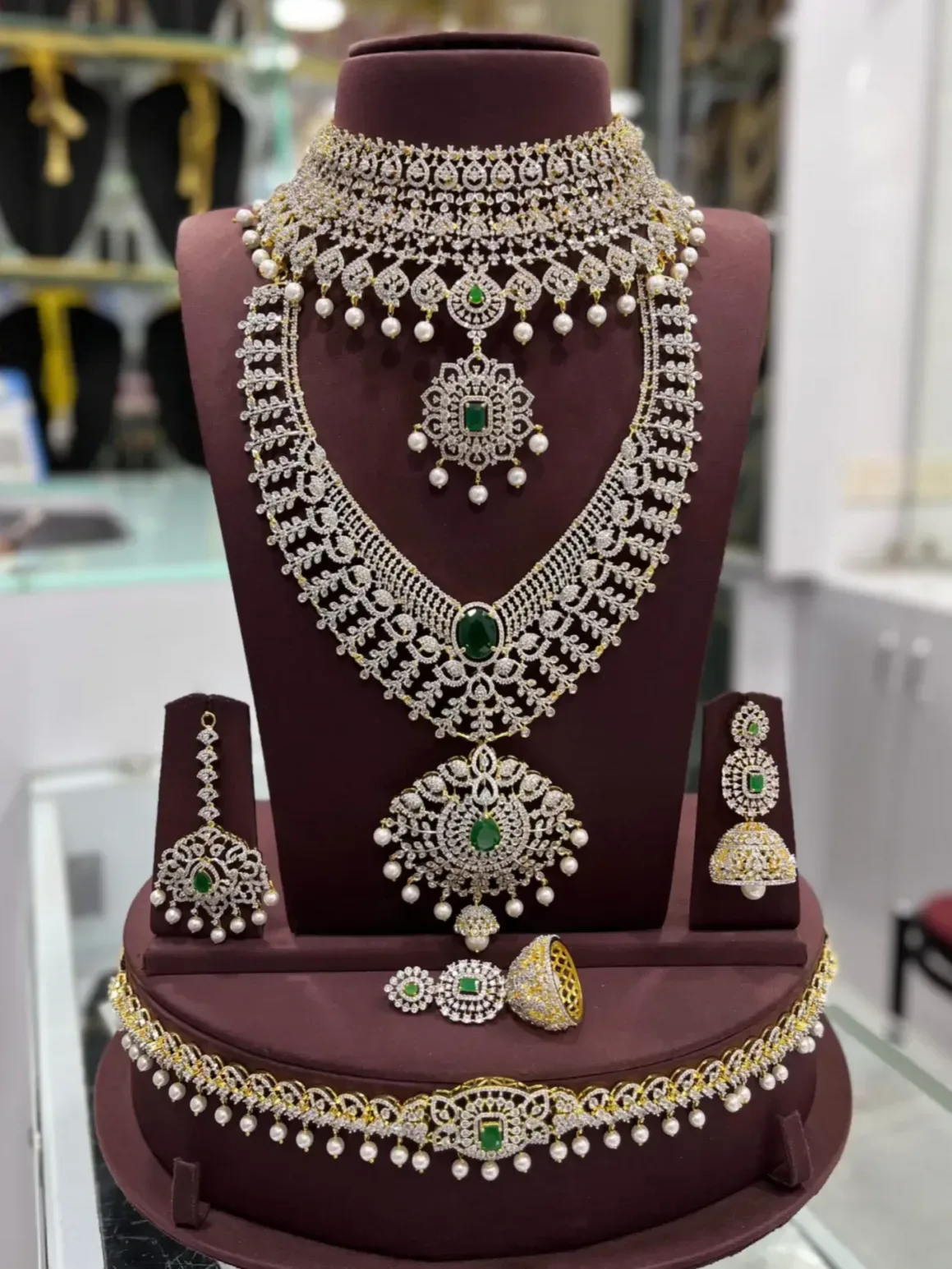
Indian Bridal Diamond Jewelry Set
Frequently asked questions
Which of the four Cs matters most?
Cut, if you want the stone to look its best. Brilliance is what the eye registers, and a well-cut smaller diamond can outshine a poorly cut larger one.
What is a carat?
The unit of weight for a diamond, divided into 100 points.
Are colored diamonds more expensive?
Generally yes, and it depends on the color. Brown is common and cheaper. Red and green are the rarest and the most expensive.
Why does clarity grading use magnification?
Because most imperfections are invisible to the naked eye. Grading under 10x magnification is what makes the difference measurable.
Can colored diamonds be treated?
Yes. Natural stones with faint tints can be laboratory treated to enhance the color, and synthetic colored diamonds are also available.
See also our necklace guide and earrings guide.