Good grooming is the foundation of looking presentable at work, and most of it comes down to a small number of rules applied consistently. None of this is expensive. It is mostly about fit, condition and restraint.
Clothes
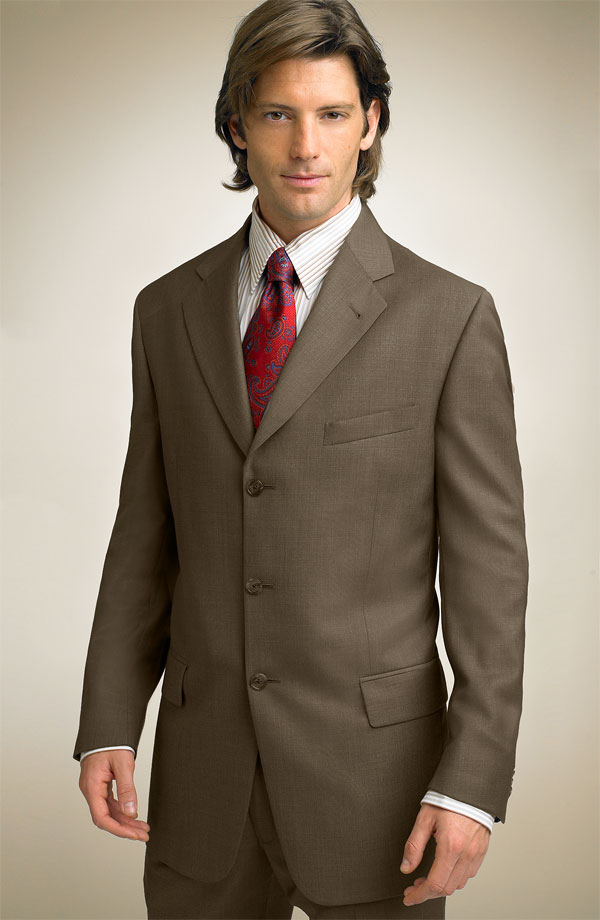
- Wear clean, well-pressed, well-tailored clothes. Fit and condition matter more than cost. A well-fitting inexpensive shirt beats an expensive one cut for someone else.
- Full-sleeved shirts, properly tucked in.
- Own at least one classic, well-tailored suit for meetings. One good suit is worth several mediocre ones.
- Avoid loose, ill-fitting or badly draping clothes.
- Keep the color count down. Too many colors in a single outfit is not workplace dressing.
Contrast between clothes and shoes
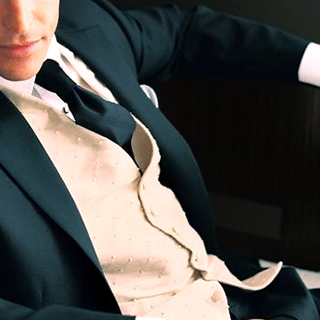
Pale, light-colored clothing pairs with dark shoes, and dark clothing with lighter shoes. Working in contrast rather than matching gives the outfit definition at the point where it meets the floor.
Ties
- The tie should be long enough to reach the belt line. This is the single most common error, and a short tie is immediately visible.
- Keep experimental ties for less formal wear. A conservative tie in a formal setting is never wrong.
- Never wear a tie with a short-sleeved shirt. The combination does not produce a professional image.
Belts
Keep belts narrow, preferably leather, and match them to the outfit. One belt will not suit every outfit you own, so expect to need more than one.
Shoes
- Lace-ups with suits. This is the standard pairing and the safest one.
- Colors. Black, brown, rust, copper and gray all work for office wear.
- Condition matters most. Shoes must be in good repair, well kept and polished. Worn or scuffed shoes undo an otherwise good outfit, and they are the detail people notice.
Socks
Socks should be covered by trousers of the right length, and they must still cover the leg when you sit cross-legged. That is the test, and it is why sock length matters more than most people think.
Never wear socks with sandals. Socks go with shoes.
Accessories
- Keep accessories in sync with the outfit.
- Less is better. A simple watch, or a wedding ring, is enough. Avoid wearing much jewelry to work.
- Choose a briefcase that organizes what you carry rather than simply holding it. Black, brown, gray, tan and rust are the useful colors.
Grooming
Invest in a good haircut, and have hair professionally colored if you choose to color it. Keep hair washed and neatly combed. Avoid unusual mustache styles in a professional setting.
The part that is not clothing
Carry yourself with confidence, and smile. It sounds like filler advice and it is not: the same outfit reads entirely differently on someone comfortable in it. Presence is the part of a professional appearance that no amount of tailoring supplies.
Frequently asked questions
How long should a tie be?
Long enough to reach the belt line. Shorter than that is the most visible error in men’s workplace dressing.
Can I wear a tie with a short-sleeved shirt?
No. The combination undermines a professional appearance.
Which shoes go with a suit?
Lace-ups, in black, brown, rust, copper or gray, kept polished and in good repair.
How long should socks be?
Long enough that they still cover the leg when you sit with your legs crossed.
How much jewelry is appropriate at work?
Very little. A simple watch and a wedding ring is the standard.