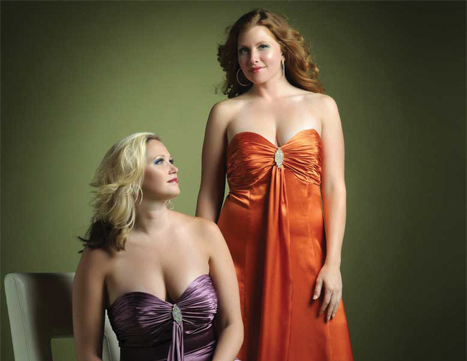
Silk is a fiber, not a fabric. What you are actually choosing between when you buy silk is a weave, and the same fiber produces cloths as different as transparent chiffon and stiff, slubbed doupioni.
These twelve are the silk weaves you will encounter most often.
Brocade
A jacquard weave with an embossed effect and contrasting surfaces. The pattern is woven into the cloth rather than printed on it, which is why brocade holds its design permanently. It can also be woven with synthetic or man-made fibers.

Charmeuse
A satin weave silk with a crepe back, sometimes called crepe-backed satin. The two faces are quite different, one lustrous and one matte, which means the fabric can be used either way round.
Chiffon
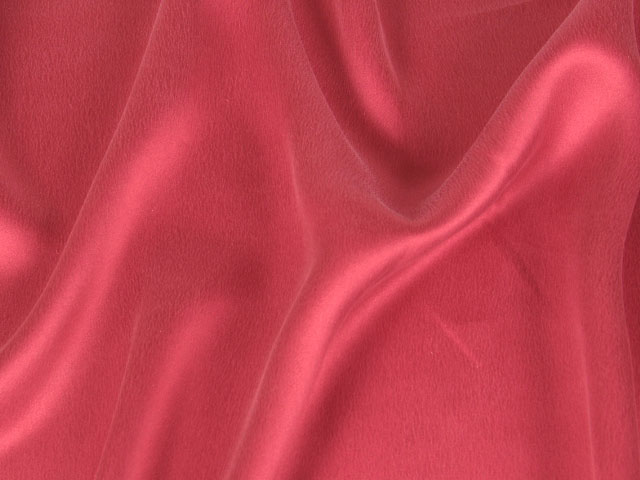
Transparent, soft and light. Chiffon is the most delicate of the common silks and the one that drapes most fluidly. It can also be woven from cotton or man-made fibers.
China silk
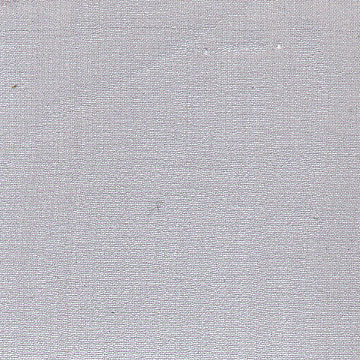
A plain weave silk made in various weights. This is the fabric whose hand most people identify as silk, and it spans a wide range: light weights are used for linings and for the washable silks with a wrinkled look, while heavier weights are made up into shirts and dresses.
Doupioni
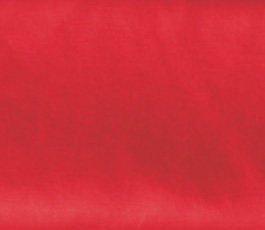
Reeled from double cocoons nested together, which produces uneven, irregular threads. Those irregularities are the character of the fabric rather than a flaw, giving doupioni its distinctive slubbed surface and crispness.
Italian doupioni is regarded as the finest, followed by Chinese and then Indian. Silk doupioni is most often used in fine suits for men and women, with lighter weights made into dresses.
The weave is also imitated in man-made fibers such as polyester and acetate, where it is referred to as doupionini.

Faille
A soft ribbed silk with ribs wider than those of grosgrain ribbon, and a slight gloss.

Georgette
A sheer crepe silk, heavier than chiffon and with a crinkled surface. If you need the transparency of chiffon with more substance and less slip, georgette is the answer.
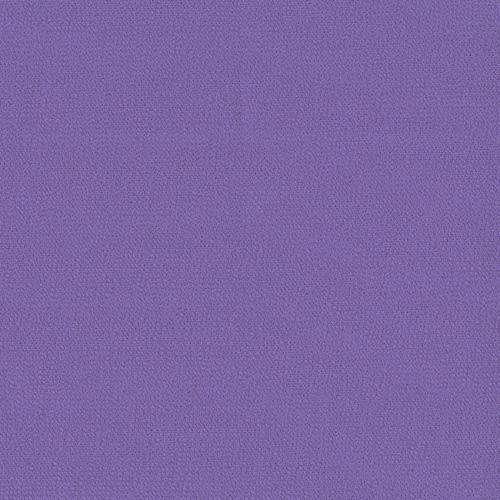
Matelasse
Carries raised woven designs, usually jacquard, with the appearance of being puckered or quilted. The effect is produced in the weaving rather than by any actual quilting.
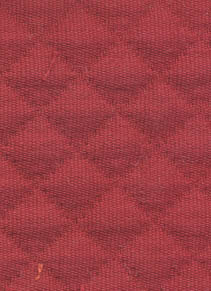
Noil
Created from short fibers, often from the innermost part of the cocoon, which gives it a sportier appearance than the other silks here. It has the look of hopsack but is considerably softer.

Organza
Similar to cotton organdy but made with silk, and transparent. Organza is crisp rather than fluid, which is why it is used for structure in garments where chiffon would collapse.
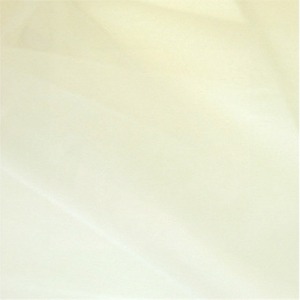
Peau de soie
A stout, soft silk with fine cross ribs, giving it a slightly corded appearance. Also called paduasoy.
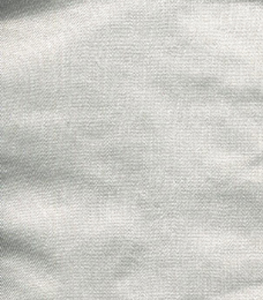
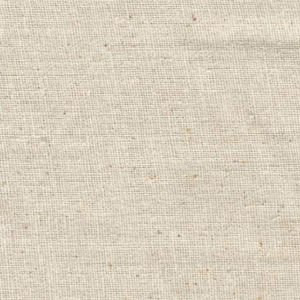
Pongee
A plain woven, thin, naturally tan fabric with a rough weave effect.
Choosing between them
| If you need | Choose |
|---|---|
| Maximum fluid drape | Chiffon or charmeuse |
| Sheer with more body | Georgette |
| Sheer and structural | Organza |
| Crispness and texture | Doupioni |
| Woven pattern | Brocade or matelasse |
| A lining | Lightweight China silk |
| A casual, matte look | Noil or pongee |
| Structure with a soft hand | Peau de soie or faille |
Frequently asked questions
What is the difference between chiffon and georgette?
Georgette is heavier and has a crinkled surface. Chiffon is lighter, smoother and more transparent.
Why is doupioni uneven?
It is reeled from double cocoons nested together, which produces irregular threads. The slubs are the character of the fabric, not a defect.
What is crepe-backed satin?
Charmeuse. Satin on one face and crepe on the other, so it can be used either way round.
Which silk is used for linings?
Lightweight China silk, which is smooth and thin enough to let a garment slide on easily.
See also cotton fabric weaves, wool fabric weaves and natural and synthetic fibers.