These three shoes sit at the extremes of the comfort scale. The ballet flat is built for all-day wear, the high-heeled sandal is built for a few hours of it, and the flip-flop barely counts as a shoe at all. Each has a clear place, and each is regularly worn in the wrong one.
Ballet flats
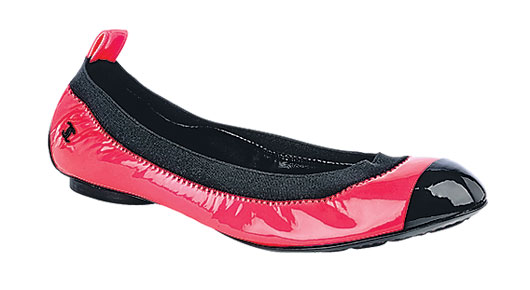
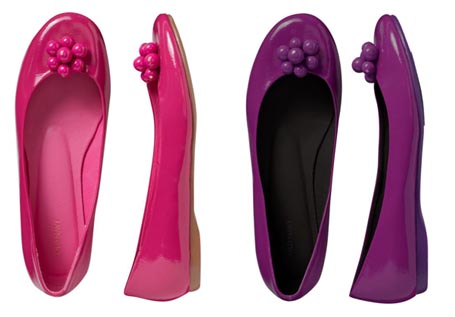
The ballet flat has a round toe, a very thin sole and no heel to speak of. The classic version carries a small bow at the toe, which is the detail most people picture when they hear the name.
That style has broadened considerably. Ballet flats now come in a wide range of colors and patterns, and a great many versions have no bow at all. What has stayed constant is the round toe and the low, soft construction.
What they are good for
They are the most walkable dressed shoe most people own, and they slip on and off easily. The trade-off is support. A thin, flexible sole gives the foot very little to work with over long distances or on hard ground.
High-heeled sandals
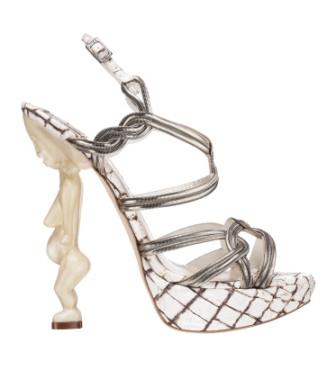
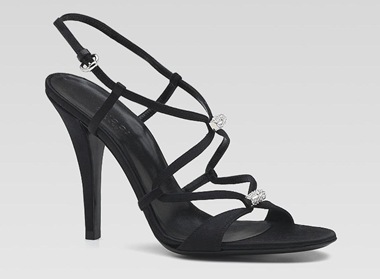
High heels are worn most often as a dress shoe for special occasions, and there is a straightforward reason they stay there. They are not comfortable, and they can realistically be worn for only a few hours at a stretch.
They remain a favorite despite that, because of what they do to the leg. A high heel lengthens the visual line of the leg and changes posture, and no flat shoe produces the same effect. That is the entire trade being made, and it is a conscious one.
Making them wearable
- A strap helps enormously. Anything that stops the foot sliding forward removes most of the pressure on the toes.
- A platform under the toe reduces the effective pitch. A four-inch heel with a one-inch platform puts the foot at the angle of a three-inch heel.
- A thicker heel is more stable. The height is the same; the balance is not.
Flip-flops
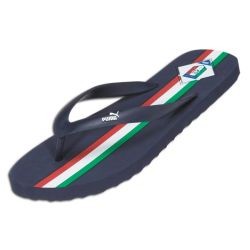
Flip-flops take their name from the sound they make as the wearer walks. Like thongs, the straps are designed to pass between the toes, and that single point of attachment is the whole construction.
They are light, comfortable and almost entirely casual. They are also mostly flat, and they are worn about as widely as any shoe in existence, by men and women alike.
How far they stretch
The plain rubber version is beach and around-the-house footwear and nothing more. Dressed-up flip-flops are a real category though: bright colors, delicate and tender strapping, and embellishments in beads and crystals lift them well past the basic form. These read as smart casual rather than formal, and they are particularly popular with students.
The limitation
A flip-flop is held on by the grip of the toes alone. That changes how you walk, and it offers no support and no protection. They are excellent for short distances in warm weather and poor for anything else.
Choosing between them
- All day on your feet, still dressed. Ballet flats.
- An evening event with limited walking. High-heeled sandals.
- Beach, poolside, or five minutes to the shop. Flip-flops.
For the wider set of categories see pumps, clogs and sandals and slingbacks, loafers and mules. The heels these shoes are built on are covered in kitten, stiletto and platform heels.
Frequently asked questions
Are ballet flats good for your feet?
They are easy to wear but offer very little support. For long distances or hard surfaces, a shoe with more structure in the sole is a better choice.
How long can high heels realistically be worn?
A few hours. That is the honest answer, and it is why they belong to occasions rather than to working days.
Can flip-flops be worn formally?
Embellished versions with delicate strapping pass as smart casual. A plain rubber pair does not.
Why are flip-flops called that?
For the flip-flop sound they make against the sole as you walk.